
Lawn Grading
Yard Grading & Slope Correction
in Cincinnati, Ohio
If your yard slopes toward your home, water follows. Every rain sends runoff directly at your foundation. Correcting the grade fixes the problem at the source.
When the Ground Works Against Your Foundation
Water always follows the path of least resistance. If the ground around your home slopes toward the foundation — even slightly — that's the path water takes every time it rains.
This is called negative grade. It's one of the most common and most damaging drainage problems for residential properties. And it often goes unnoticed for years because the slope can be subtle. Just a one or two percent grade toward the house is enough to direct significant amounts of water at your foundation with every rainfall.
Over time the result is the same — saturated soil against the foundation, hydrostatic pressure, moisture infiltration, and eventually structural damage.
PARAGRAPH: The fix is correcting the grade so water flows away from your home. Once the slope works in your favor, the drainage problem is resolved at its source.
Signs Your Yard Has a Grading Problem
Grading problems are easy to miss because the slope can be gradual. These are the signs that the grade around your home may be working against you.
Water Running Toward Your Foundation During Rain
If you watch your yard during a heavy rain and see water moving toward the house instead of away from it, you have a negative grade. This is the clearest sign the slope needs to be corrected.
Soft or Muddy Soil Against the Foundation
Soil that stays soft or muddy near your foundation long after rain has stopped is absorbing more water than it should. That moisture is the result of water being directed at the foundation rather than away from it.
Consistently Wet Basement After Rain
If your basement shows moisture or water following heavy rainfall and you don't have obvious downspout or drainage issues, the grade of your yard may be the culprit. Correcting the slope is often the fix that makes everything else work.
Settled or Sunken Soil Next to the Foundation
Soil that has settled or sunken near the foundation wall creates a depression that collects water directly against the house. This is one of the most common grading problems and one of the easiest to fix with proper regrading.
Landscaping That Holds Water Against the House
Raised landscaping beds, mulch piled against the foundation, or hardscape that directs runoff toward the house can all create localized grading problems. Water gets trapped against the foundation wall with nowhere to go.
Foundation Cracks That Keep Coming Back
If you've repaired foundation cracks and they keep returning, the underlying cause likely hasn't been addressed. Water pressure from a negative grade continually pushes against the wall. Fix the grade and the pressure that causes the cracking goes away.
How We Correct Your Yard's Grade
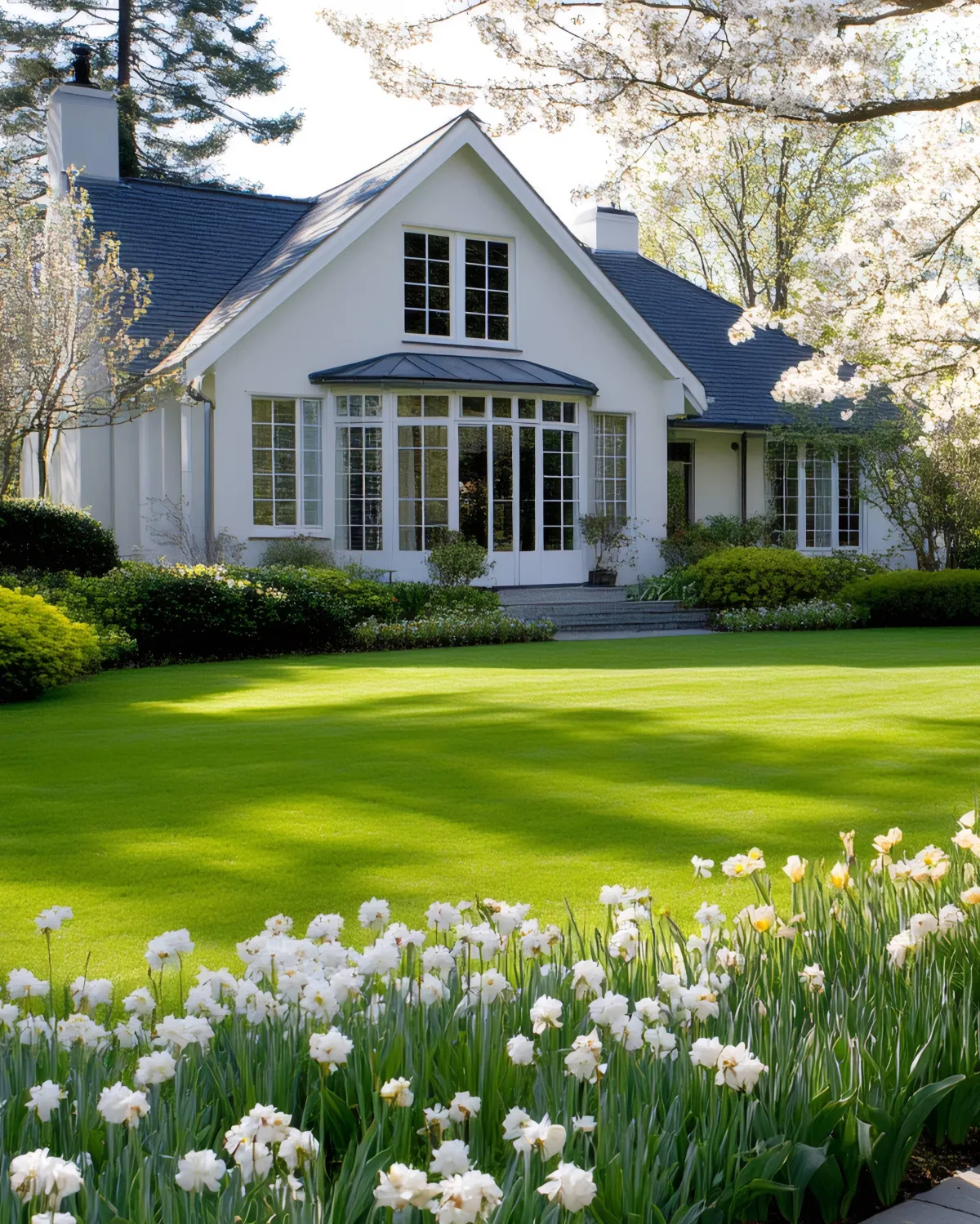
Proper grading means the ground slopes away from your foundation at a rate of at least six inches over the first ten feet. That grade gives water a clear path away from your home and prevents it from pooling against the foundation wall.
We assess the current grade of your yard using the foundation as the reference point. We identify where the slope is working against you, where soil has settled, and what it takes to correct it.
Depending on the severity of the problem, correction involves bringing in fill soil, regrading the existing soil, and compacting it to create a stable slope that sheds water away from the house.
The fix is correcting the grade so water flows away from your home. Once the slope works in your favor, the drainage problem is resolved at its source.
Our Grading Process
Every yard is different. Our process accounts for your specific property, soil conditions, and drainage needs.
STEP 1:
We Assess the Grade
We walk the perimeter of your home and measure the slope of the ground against the foundation. We identify problem areas, settled soil, and locations where water is collecting or running toward the house.
STEP 2:
We Build the Correct Slope
We bring in clean fill soil where needed and regrade the ground to slope away from your foundation. We compact the soil to prevent settling and ensure a stable, lasting grade.
STEP 3:
We Restore the Area
Once grading is complete we restore the area — seeding, sodding, or returning landscaping to its original condition depending on the scope of the work.
The Right Slope Changes Everything.
The Most Overlooked Fix in Foundation Protection
Most homeowners focus on visible drainage problems — standing water, wet basements, clogged gutters. Grading problems are invisible until the damage shows up.
The grade of your yard determines where every drop of rain that hits your property goes. A yard that slopes away from your home sends water to the street, a drain, or a safe discharge point in the yard. A yard that slopes toward your home sends water to your foundation.
Correcting the grade is often one of the most cost-effective foundation protection measures available. It doesn't require a complex system — just the right slope and the right soil. And once it's done it works permanently with no maintenance required.
When combined with other drainage solutions like French drains or downspout extensions, proper grading makes the entire drainage system more effective. Water moves the way it should — away from your home, not toward it.
F. A. Q.
Yard Grading Questions
How much does yard grading cost in Cincinnati?
Grading costs depend on the size of the area, the severity of the slope problem, and how much fill soil is needed. Most residential regrading projects range from $500 to $3,000. We provide a free on-site assessment and a clear quote before any work begins.
How do I know if my yard has a negative grade?
Stand at your foundation and look at the ground next to the house. If the soil slopes toward the house rather than away from it, you have a negative grade. You can also watch your yard during a rain event — if water runs toward the foundation, the grade is working against you.
Does regrading require permits in Cincinnati?
A pop-up emitter is a valve installed at the end of a buried drain line. It stays closed when the system is dry and opens automatically when water flows through the pipe. This keeps debris and pests out of the line while allowing water to discharge freely.
Can grading fix my drainage problem on its own?
In many cases yes — especially when the primary issue is soil that has settled against the foundation. On flat lots or properties with heavy clay soil, grading works best when combined with a French drain or catch basin system that gives water a path to follow once the slope directs it away from the house.
Contact Us Today
We'll assess the grade around your home and tell you exactly what needs to be corrected — at no cost and no commitment.
About Us
Flood Foundation installs exterior drainage systems that protect Cincinnati homes from water damage. We control the water before it reaches your foundation. We're a local Cincinnati company built on one idea — fix the drainage problem outside so it never becomes a basement problem inside. Serving Greater Cincinnati and surrounding areas.
Quick Links

